Do They Work?
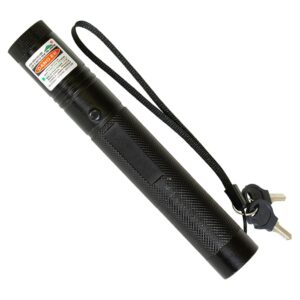
Bird Scare Laser works when a bird species associate visible laser light with predator-like behavior and flee when they see it. The most effective bird lasers use a wide beam rather than the narrow beam of a standard laser pointer. Green beams tend to deliver the best results.
How They Are Used
Bird scare lasers have many applications but are especially effective for moving birds from roosts. At Margo Supplies, we’ve tested them on various North American pest species with excellent results. They work particularly well on Canada Geese.
Handheld units are also useful in areas where more invasive audio deterrents aren’t practical. They’re commonly used around warehouses, barns, and airport terminals to safely move birds without noise or disturbance.
When and How to Use Bird Laser
The best time to use these produxts is at dawn and dusk. Treating roosting sites during these times gives birds an opportunity to relocate before nightfall. Diurnal species usually won’t leave roosts in total darkness, no matter how much pressure you apply, so start treatment as soon as they return.
When aiming, move the beam slowly toward the roosting site. Birds perceive the laser as a predator, so always leave them an escape route. Indoors, use the beam to “herd” birds toward an open exit safely.
Legal Limits and Power Restrictions
While they are highly effective deterrents, many regions restrict the use of high-power lasers. In Canada, handheld lasers must have an output of 5mW or less (Class 3a or lower). Our Fly-Away Laser meets these requirements.
Lower power levels limit visibility in bright daylight, but these tools still work well in low-light conditions—exactly when most roosting activity occurs. High-power lasers, on the other hand, can pose safety risks, especially near airports.
The Role of Bird Lasers in Integrated Control
Like any deterrent, they have both advantages and limitations. They should be used as part of a broader bird control strategy. Combining multiple deterrents allows your team to respond to different species and conditions while preventing birds from becoming accustomed to a single method.
See our selection of aviation specific non-lethal bird deterrents here