The big question when it comes to bears in the north – does Bear Spray in winter? The snow is starting to fly in the Rockies and for a growing number of outdoor recreationists, this means strapping on snowshoes, ski boots, or crampons. But amid all the specialized winter gear, I don’t often see bear spray with backcountry enthusiasts.
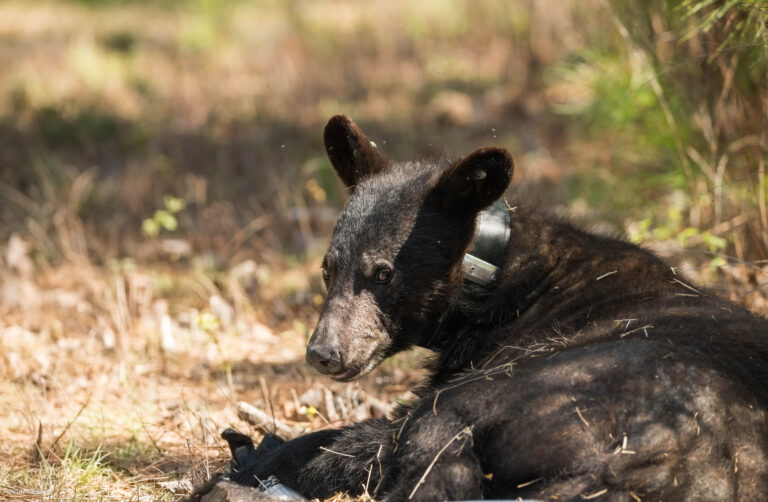
After a busy autumn packing on the calories, most bears across North America hibernate during winter when the opportunities for food are scarce. Because of this, bear conflicts are at their lowest, leading backcountry recreationists to forget to include bears in their risk assessments.
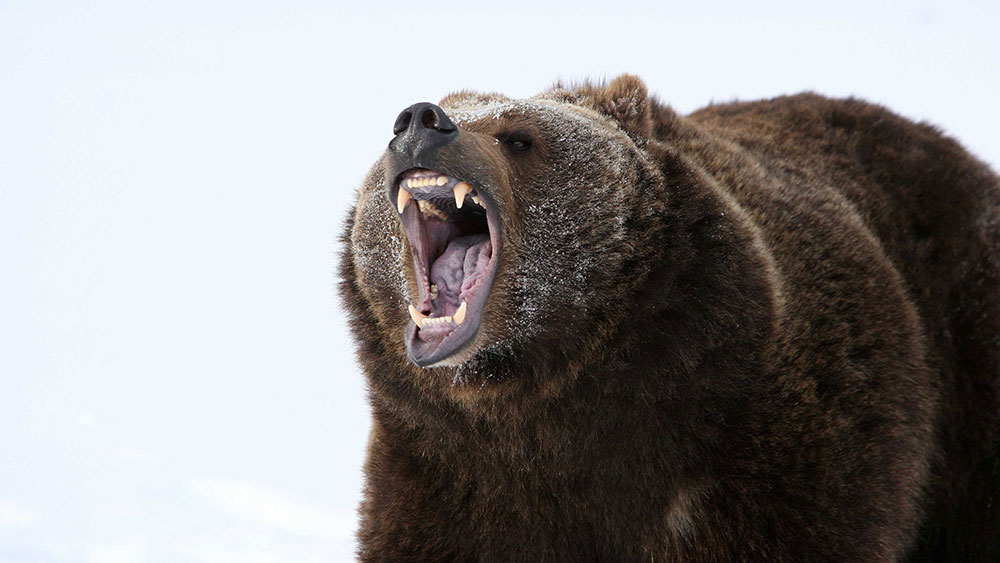
While rare, potentially dangerous bear encounters can occur in all seasons, including winter. In December 2015, two alpinists triggered a defensive attack from a Grizzly Bear on a high and exposed slope of Mt. Wilson in Banff National Park.
You should expect to see bears in bear country no matter what season you are visiting. Bear spray is an essential piece of safety gear that should always be included in your pack.
Understanding bear hibernation
Protect yourself with bear spray
Although bear encounters are less likely in winter, it’s still important to stay prepared and respectful in bear country. Make noise as you travel, move in groups, and always carry bear spray—even during the colder months.
If you spot signs of a bear den, leave the area immediately. Winter bear attacks are rare but often defensive. Every backcountry traveler should know how to recognize bear behavior and understand what to do if a bear charges or attacks.
Cold weather brings unique challenges, but bear spray can still work effectively. Avoid storing it below freezing temperatures. However, you can safely carry it in the cold if kept close to your body or inside a holster.
We offer a wide range of bear spray holsters designed to keep your spray secure and accessible. Remember—bear spray only helps if it’s within easy reach.
Do bears sleep all winter?
Most bears do sleep away a good portion of the winter, but this varies significantly by area, weather, and food availability. For example, Inland Alaska grizzlies spend up to 6 months in their den while black bears in New Mexico might only spend a few weeks asleep.
Snow on the ground is not a good indicator of hibernation status. Bears may search for food late into the fall and may wake up early, especially if they didn’t get to eat their fill the last fall. Even in the dead of winter, it is not unusual for bears to leave their den periodically during the winter. While the probability of an encounter does decrease in the winter, bear encounters are possible any time of the year.
Can Bears Wake Up?
Dangerous bear encounters are still possible during heavy hibernation. A bear’s metabolic, heart, and breath rates drop significantly during hibernation to conserve energy; however, unlike other hibernating mammals, core body temperature remains quite high. A hibernating grizzly bear’s core temperature drops to about 31 degrees Celsius, within 11 degrees of their normal temperature. This function allows bears to awake quickly and be ready for action. Bears are easily aroused and may exit their dens if disturbed, ready to protect themselves from any perceived threat.
Den Selection is a Factor
Grizzly Bear den site selection may also increase conflict with the rapidly growing sport of backcountry skiing. Grizzlies often select den sites on steep alpine slopes with high snow accumulation, making it easy for them to build a deep and well-insulated shelter. In Yellowstone Park, Grizzlies prefer to den on the mid to upper third of 30 degree to 60 degree slopes with Northern exposures between altitudes of 6,500 – 10,000 feet – otherwise known as ideal backcountry ski terrain. This is why it is important to carry bear spray in Canada during the winter.
Need to stock up, buy our best bear spray here
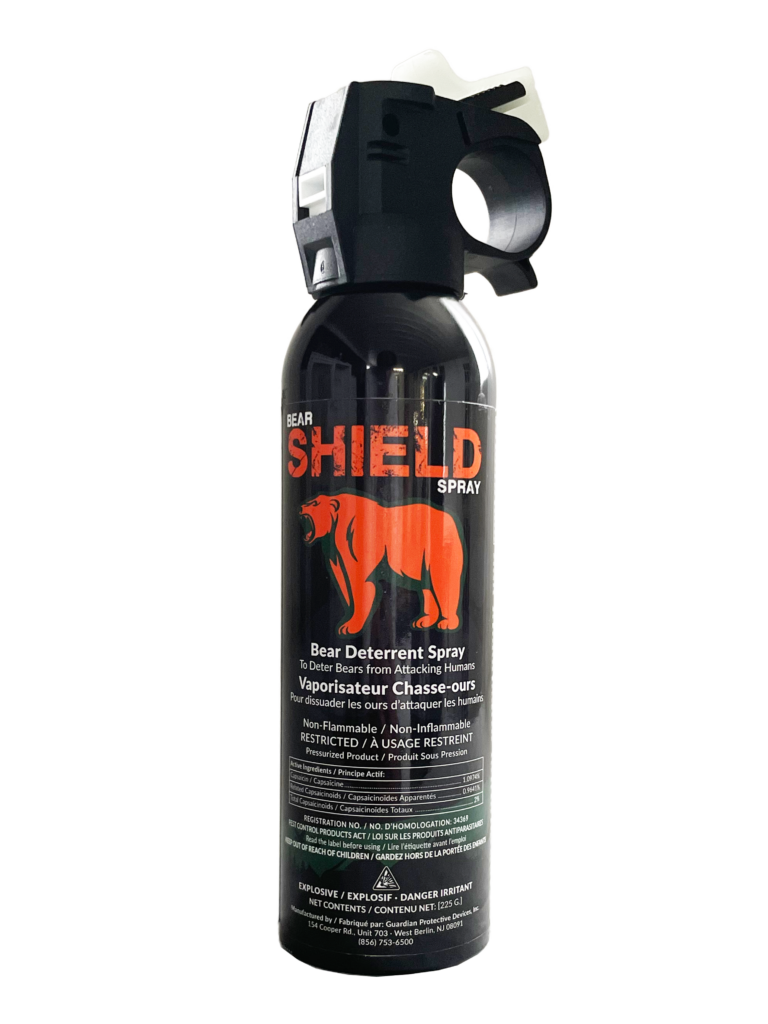
Always be prepared with Bear Spray
- The strongest and best spray available in Canada
- 2.0% total capsaicinoid - highest registered
- 10.5m (35ft) range
- Non-flammable & Low greenhouse gas formula
- Glow-in-the-dark safety tab
- Works on black bears, grizzly bears and polar bears
- Intuitive design is easy to use under pressure
- Non-lethal, non-flammable and non-toxic for people and animals
Bear Safety Hub
Practicing bear safety can reduce potential fatalities for both animals and humans. From bear spray to electric fencing, we can help you to reduce potential conflicts and ensure you are prepared in the event of a bear encounter.