
Animal Deterrents: From Low to High Tech Solutions
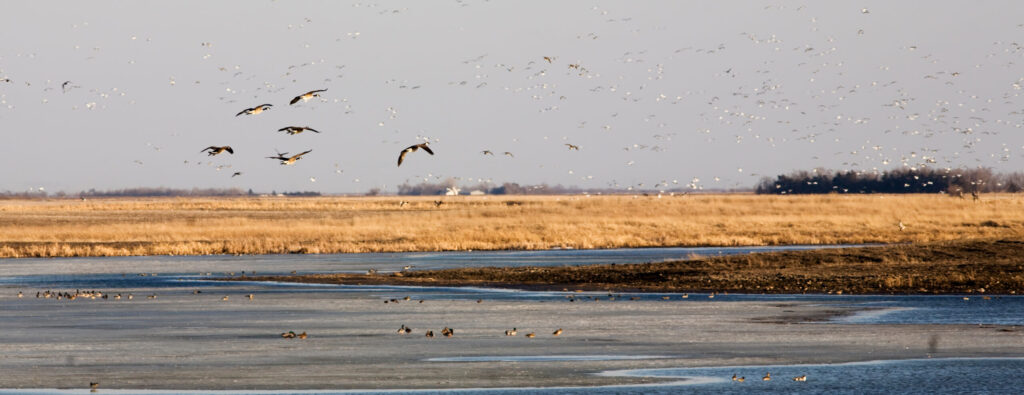
In the delicate balance of nature and human habitation, conflicts with wildlife are inevitable. Whether you’re an avid gardener, a farmer tending to crops, or simply a homeowner looking to protect your property, the need for effective animal deterrents has become increasingly apparent. As we coexist with the diverse array of creatures that share our spaces, finding ways to manage these interactions becomes crucial for both human and animal well-being. Visual, audio, and physical barriers emerge as the unsung heroes in this ongoing struggle, offering a humane and sustainable means of preventing damage and fostering harmonious cohabitation. Visual Deterrents Visual deterrents are powerful tools in managing human-wildlife conflicts, exerting their effects primarily through the manipulation of visual stimuli. These deterrents work by exploiting the visual system of various species, causing them to react with their natural instincts and modifying their behavior without causing harm. For example, the use of reflective materials, predator decoys, or flashing lights can startle and intimidate animals, deterring them from approaching specific areas. Visual deterrents leverage animals’ visual acuity and perception to create an environment that appears threatening or inhospitable. While their effectiveness can vary based on the target species and specific circumstances, visual deterrents offer a non-lethal and environmentally friendly solution to mitigating conflicts and promoting coexistence between humans and wildlife. However, it’s crucial to adapt these deterrents to the specific needs and behaviors of the animals in question to achieve the desired impact without causing unnecessary stress or harm. Low-Tech Holographic Tape Holographic tape deters wildlife by reflecting sunlight and creating dynamic, shimmering patterns that disorient and intimidate animals, acting as a deterrent to prevent them from approaching or causing damage to the area. Decoys & Kites Decoys and Kites deter wildlife by mimicking the appearance and movement of predators or other threatening species, creating a visual illusion that triggers a fear response in animals, encouraging them to avoid the area and reducing potential conflicts with humans or crops. High-Tech Margo AirScare The Margo AirScare, with its dynamic and erratic movements, deters wildlife visually by creating an unfamiliar and intimidating presence, discouraging animals from approaching or causing damage to the area through the unpredictable and visually disruptive display. Audio Deterrents Audio deterrents are tools employed in wildlife management to influence animal behavior through sound stimuli. These devices emit sounds that are often unpleasant or threatening to the target species, aiming to create an aversive environment and discourage them from specific areas. The effectiveness of audio deterrents relies on the animals’ sensitivity to sound frequencies, their adaptability, and their ability to associate the emitted sounds with potential threats. Common audio deterrents include ultrasonic devices, loud noises, or recorded predator calls. When used thoughtfully and adapted to the specific needs of the wildlife in question, audio deterrents can serve as a humane and non-lethal method to manage human-animal conflicts and promote coexistence in shared spaces. Low-Tech Whips Whips deter wildlife by creating loud cracking sounds and rapid movements, intimidating animals and establishing a perceived threat, prompting them to avoid the area and reduce the risk of human-wildlife conflicts. Blaster Siren Blaster Sirens deter wildlife by emitting loud, high-pitched noises, startling animals and creating an auditory disturbance that prompts them to move away from the source, helping to prevent potential human-wildlife conflicts. High-Tech Margo Squawk Box The Margo Squawk Box deters wildlife by emitting recorded sounds of natural predators, inducing fear and creating a perceived threat that encourages animals to avoid the area, minimizing potential conflicts with humans or livestock. Physical Barriers Physical barriers play a pivotal role in mitigating human-wildlife conflicts by creating tangible obstacles that discourage animals from accessing specific areas or exhibiting unwanted behaviors. Examples include electric fencing and bear spray, which are designed to offer protection without causing permanent harm. In essence, physical barrier deterrents offer a proactive approach to human-wildlife coexistence, providing a humane and effective means of protection. However, it’s crucial to use these deterrents responsibly, ensuring they are properly installed, maintained, and used in accordance with ethical wildlife management practices. Low-Tech D-Straps D-Straps deter wildlife by securing the lids tightly, preventing access to the contents and minimizing odors, thus discouraging animals from foraging through the trash. Bear Spray Bear spray deters wildlife, particularly bears, by releasing a powerful spray that causes temporary discomfort, irritation, and disorientation, discouraging the animal from approaching or attacking. High-Tech Electric Fencing Electric fencing deters wildlife by delivering a non-lethal yet deterrent electric shock upon contact, creating a psychological barrier that discourages animals from attempting to breach or cross the barrier.
Model Comparison: Margo Electra Scare Cannons
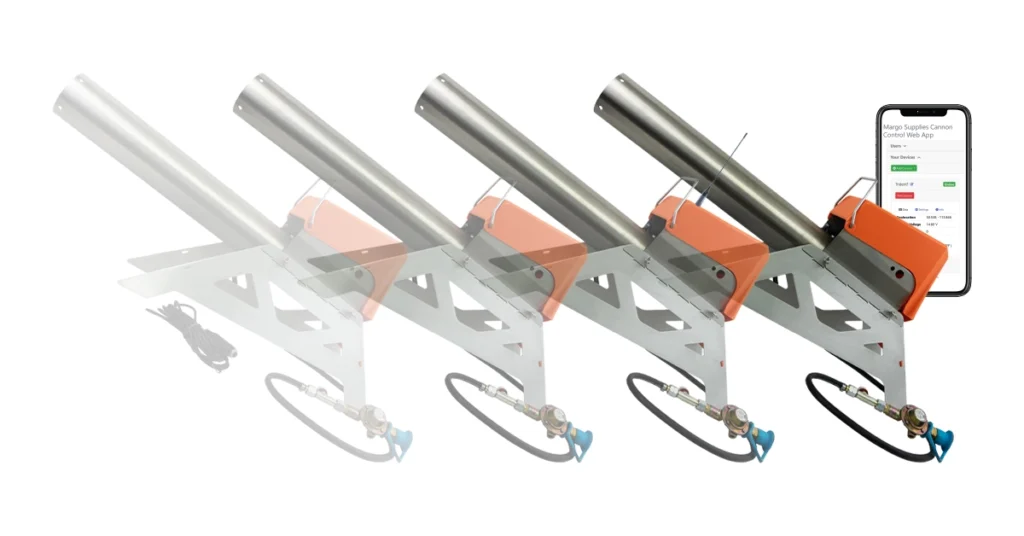
Margo Supplies carries a variety of Scare Cannons. Using the Margo Electra Scare cannon as as base, each option allows the user to control the cannon in a variety of different control options. Base Cannon: Margo Electra Scare Cannon Power Source: 12V Battery and Propane Control: Margo Digital Timer / Clock # Programmable Shots: 1-4 Tripod Compatible: Yes The Margo Electra Scare Cannon uses an advanced digital clock for pre-set firing times, multi-shot bursts, and two random firing modes to reduce animal tolerance. Compatible Upgrades Base Cannon: Margo Electra Scare Cannon Power Source: 12V Battery and Propane Control: Push Button Controller # Programmable Shots: 1-4 Tripod Compatible: No This cannon uses the Margo Electra Scare Cannon as a base, with the added push-button controller. The push-button controller allows the user to fire the cannon on demand. Compatible Upgrades Base Cannon: Margo Electra Power Source: 12V Battery and Propane Control: High-Frequency Radio Control # Programmable Shots: 1-4 Tripod Compatible: Yes This cannon uses the Margo Electra Scare Cannon as a base with a High-Frequency Radio Controller that allows the user to fire the cannon remotely on a line-of-sight range of up to 8km (5mi). Radio operates at 900MHz with 99 channels. Compatible Upgrades Base Cannon: Margo Electra Power Source: 12V Battery and Propane Control: Cellular Data # Programmable Shots: 1-4 Tripod Compatible: Yes This cannon uses the Margo Electra Scare Cannon as a base with NEW Cellular control. Experience the added ease of remote firing and monitoring. Control your cannon, view its status, and customize settings from anywhere with an internet connection. Compatible Upgrades
Model Comparison: What Scare Cartridge Launcher Do I Need?
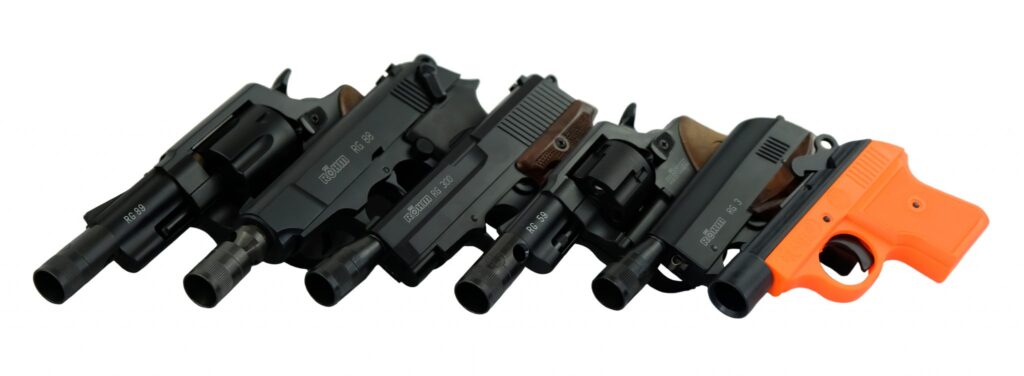
Margo Supplies provides the Best Launchers for wildlife management. Below you will find a list of all the launchers that we currently carry and a comparison between them. Compare the models of Scare Cartridge Launchers to find the best launchers for you The Record Single-Shot Launcher is a simple and affordable option that is easy to maintain. The single-shot uses 6mm crimped blanks. It is Ideal for hikers, hunters, and other outdoor enthusiasts as well as for light industrial use. It comes in a bright safety orange colour. Blanks: 6mm Good For: Affordable low volume use. 5-Shot Adapter Compatible: No Fast Firing: ModerateEase of Maintenance: Simple daily maintenance. Unlike the single-record shot, this Record Double-Shot Launcher can load 2 blanks and cartridges at a time to be fired in quick succession. Ideal for hikers, hunters, and other outdoor enthusiasts as well as for light industrial use. It comes in a bright safety orange colour. Blanks: 6mm Good For: Affordable low volume use. 5-Shot Adapter Compatible: No Fast Firing: Moderate, Double Shot allows for more aggressive hazing. Ease of Maintenance: Simple daily maintenance The RG-3 is one of our more compact launcher options. Simple in its use and easy to carry. Blanks: 6mmGood For: Light to moderate industrial use. 5-Shot Adapter Compatible: NoFast Firing: YesEase of Maintenance: Simple daily, frequent deep cleans The RG-300 is very similar to the RG-3, but the RG-300 loads 10 blanks in a clip. Blanks: 6mmGood For: Light to moderate industrial use. 5-Shot Adapter Compatible: NoFast Firing: YesEase of Maintenance: Simple daily, frequent deep cleans. The RG-59 revolver uses .380 blanks and can load up to 5 at a time. This launcher is able to be used with the 5 shot adapter which screws into the barrel and allows for simultaneous launching of any combination of up to five 15mm pyrotechnic scare cartridges. Blanks: .380 Good For: Aggressive scaring and cold weather use. 5-Shot Adapter Compatible: YesFast Firing: YesEase of Maintenance: Simple daily with detailed monthly cleans. The RG-89 revolver is the more weighty version of the RG-59. It also uses .380 blanks. Blanks: .380Good For: Aggressive Scaring 5-Shot Adapter Compatible: YesFast Firing: YesEase of Maintenance: Simple daily with detailed monthly cleans. The Margo Thunderstick is a non-gun launcher designed specifically for the airport and industrial use. The Thunderstick is easy to use and has 3 safety mechanisms: A safety switch, a pin, and a gravity trigger that locks the trigger when the launcher is pointed downward. Blanks: 6mm Good For: Heavy industrial use. 5-Shot Adapter Compatible: No Fast Firing: Yes Ease of Maintenance: Simple maintenance at the end of each use. If you have any questions about the information above, please contact info@margosupplies.com
Margo Critter Guard: A Versatile Wildlife Deterrent
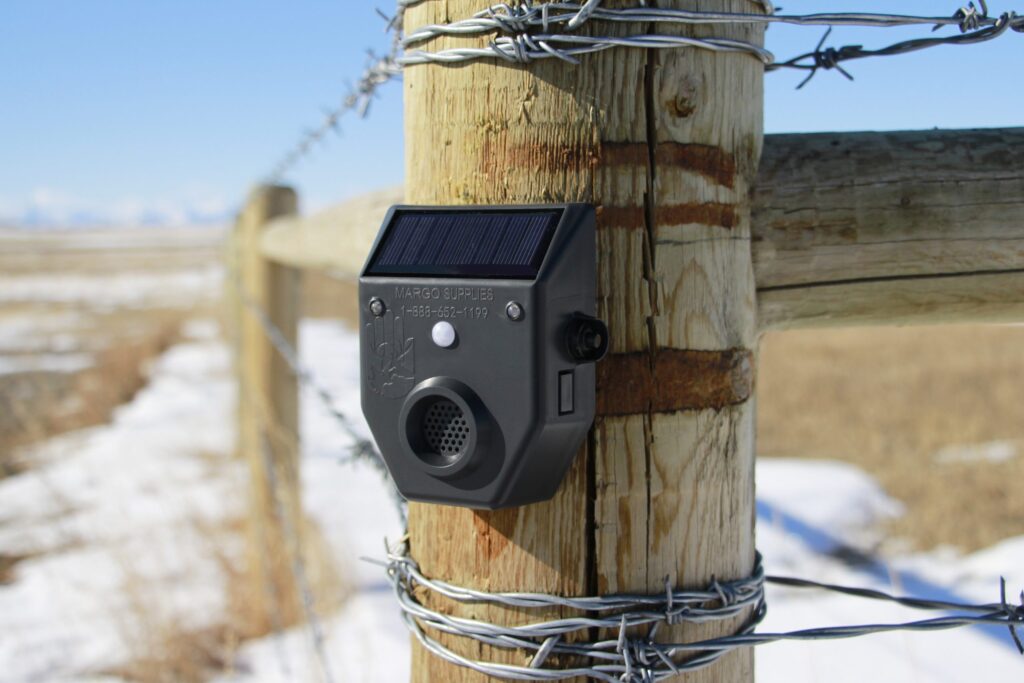
The Margo Critter Guard is effective at scaring a large variety of wildlife with its motion-activated siren alarm and flashing scare eye. Portable, sturdy, and weather-resistant, the Critter Guard protects against most mammals. From deterring elk from feeding on haystacks, deer eating in vegetable gardens, or even cougars from attacking livestock, the Critter Guard does it all. Protect your land and other assets from predators, wildlife, and other animals with a universal, and affordable solution. “We hope that people start using the alarm and more people understand that we can live with these predators” – Iris Gadunov, Land Owner HOW IT WORKS: When an animal is within range of the Critter Guard, the motion-detector will trigger a combination of piercing wailing and flashing red predator lights, signaling to animals that trespassing in this area is dangerous. THE DESIGN: We designed the Critter Guard with every environment in mind. Utilizing a rugged and solar-powered design allows for portable and reliable placement, wherever you may need to keep wildlife away. The adjustable sensitivity and multiple light settings allow the user to customize their wildlife deterrent strategy with ease. SPECS: Range The alarm detects movement at a 160-degree angle with a low sensitivity of ~3m (10ft) and a high sensitivity range of ~11m (35ft) away. Sound Up to 105dB sirens with three different modes. A variable sensitivity switch allows users to fine-tune the alarm to their ideal conditions. TESTING: Tested in both arctic and rainforest environments and everything in between, the Margo Critter Guard is a staple in wildlife deterrent technology. It is great to deter both small and large animals without requiring regular maintenance. “When they tracked the lions, they saw that they stalked the perimeter of the Critter Guard so we can see that they are effective“ – IRIS GADUNOV https://www.youtube.com/watch?v=ynynSmnHvS8&t=16shttps://youtu.be/-ZCy9hocfBY?si=Fpve0tO4JtTUIEsJhttps://youtu.be/7mOkpclaeHE?si=owD7i5XIvda2S29O Add to cart Margo Critter Guard Detects movement up to 11m (30ft) away 3.6w rechargeable solar-powered battery Motion sensors detect animals as small as squirrels 105dB sirens and flashing 7500mcd LEDs will deter a variety of… $98.15 Add to cart View Product
Do Bird Cannons Work?

Birds have a knack for going where their presence can cost your operation in time and resources, pose a danger to the birds themselves, or even to humans. Can a Low-Cost Propane Bird Cannon Prevent Bird Problems? The short answer is yes. Loud noises scare birds, a fact people have known for centuries. The Japanese Shishi-odoshi—a swinging bamboo arm that strikes a rock—kept birds out of gardens for generations. We applied the same principle and amplified it to produce 120 dB explosions. The results speak for themselves: Zon Electra Scare Cannons protect airplane passengers at some of the world’s largest airports. Bird cannons create two types of effects. First, they trigger fear and startle reactions. Many birds associate loud, gun-like noises with real danger. Even birds without hunting experience respond to the sudden, unnatural blast and flee the area. Second, propane cannon blasts disrupt natural behaviors. Continuous loud noises keep birds on edge and make them more responsive to other scare tactics. This disruption adds stress and reinforces the effectiveness of your control program. Deterrents Must Outweigh Attractants No deterrent works like a “magic button.” The fear generated by a cannon must outweigh the food or shelter attracting the birds. Similar to antelope in the savannah risking lions to reach water, birds will resist deterrents if the reward in your control area is strong. Switch Things Up Vary Your Strategy To prevent habituation, move your bird cannons regularly. Under heavy bird pressure, relocate them every 2–3 days. Use the random firing modes on Zon Electra Scare Cannons or a 360° rotating tripod to keep birds guessing. Camouflage paint or covers prevent birds from associating the sound with a single source. Use on-demand activation for maximum effect. One well-timed blast near a flock of European Starlings will scare more than frequent detonations at a distance. Push-button control and radio upgrades increase the precision and impact of each blast. Use On-Demand Activation Use On-Demand activation to ensure the bird cannons only detonate when they have maximum effect. One perfectly timed cannon blast directly beside a flock of European Starlings will have more effect than more frequent detonations further away. The Push-Button control and radio controlled cannon upgrades are particularly effective. Chaos and Confusion Keeps Birds Away Bird Cannons are the base for the most effective bird control programs. Adding different effects on top increases the effectiveness of your program as a whole and eliminates the problems of bird habitation. Not only do birds have difficulty processing multiple threats all occurring in the same area, but other products such as pyrotechnic scare cartridges or combining cannons with falconry also convinces the birds that there are consequences to propane blasts, which keeps the propane blasts scaring even when the other deterrents are not used. Bird Scare Cannons are an effective way to keep unwanted birds from your target area. Products become more efficient, however, when used together in a system and by ensuring that birds do not grow accustomed to your deterrent regimen. The Margo Electra Bird Cannon reduces your risk.
Bird Repellent: How to Keep Unwanted Birds Away with a System-Based Approach

Birds can cause serious damage to agricultural crops, disrupt industrial operations, and even threaten human safety, such as during airplane bird strikes. Unfortunately, when birds find safe places to roost, food, or other high-value attractants, they become difficult to remove. Fortunately, using non-lethal deterrents strategically can chase birds away and prevent them from returning. Classes of Bird Deterrents Bird deterrents fall into three main categories: Audio, Visual, and Active. By combining options from each class, you can build an effective bird control system. This approach can protect anything from backyard blueberry crops to major airports worldwide. Although some bird species respond better to specific stimuli, this strategy works for nearly all species. How Deterrents Work Deterrents trigger involuntary stress responses in birds by making them feel threatened. The stronger the perceived danger, the more likely birds are to avoid the area. We call this a “landscape of fear.” To succeed, the fear must outweigh the attractants that brought birds to the area. Using deterrents from all three classes prevents habituation and keeps birds away long-term. Deterrent Classes Explained: Audio Audio deterrents use loud noises to startle and scare birds. For example, our Margo Electra Propane Cannons emit 120 decibels (dB), similar to a shotgun blast. All bird species respond to this sound. Move the cannons regularly to prevent birds from getting used to them. You can also pair propane cannons with our Squawk Box speaker systems, which mimic the cries of distressed or injured birds. This teaches birds to associate your area with danger. Sound combinations are available for most North American bird species. Visual Visual Deterrents Birds rely heavily on eyesight to fly, find food, and detect predators. Visual deterrents exploit this by using reflective materials, lights, flashing, or predator simulations. For instance, predator effigies or decoys trick intelligent prey species into thinking hunters are nearby. As a result, birds avoid the area, convinced it is unsafe. Active Active deterrents respond to birds directly and often combine audio and visual effects. For example, our 15mm pyrotechnic scare cartridges create loud noises and visual effects, flying 30m–380m (90–1250+ ft) through the air. By combining different cartridges, you create more chaos and prevent habituation. We also offer the strongest hand-held bird control lasers allowed in Canada. Geese, in particular, react immediately to the unusual light patterns. By using deterrents only when needed, you make it harder for birds to adapt. Like all tools, different tools to repel birds have their strengths and weaknesses. Don’t leave any safe havens in your control area; active and immediate use of deterrents prevent birds from being rewarded. The best bird control programs combine audio, visual, and active deterrents.