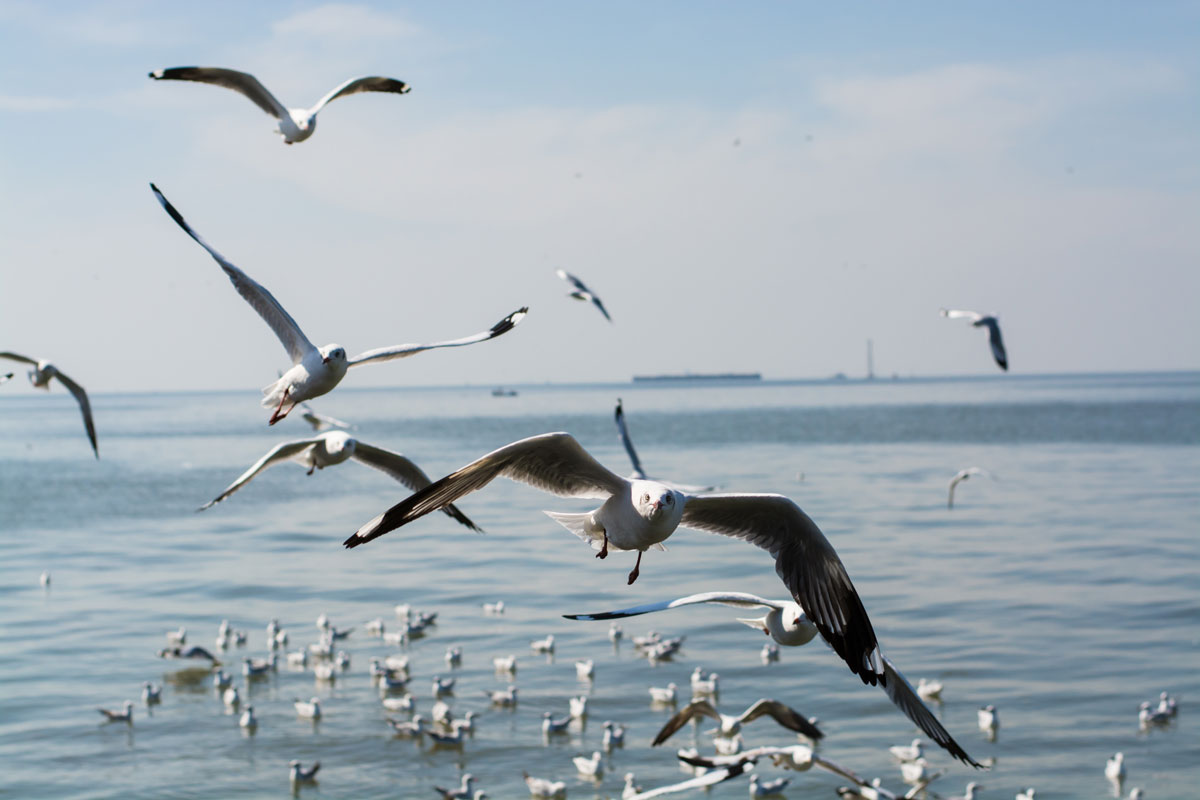
Birds can cause serious damage to agricultural crops, disrupt industrial operations, and even threaten human safety, such as during airplane bird strikes. Unfortunately, when birds find safe places to roost, food, or other high-value attractants, they become difficult to remove. Fortunately, using non-lethal deterrents strategically can chase birds away and prevent them from returning.
Classes of Bird Deterrents
Bird deterrents fall into three main categories: Audio, Visual, and Active. By combining options from each class, you can build an effective bird control system. This approach can protect anything from backyard blueberry crops to major airports worldwide. Although some bird species respond better to specific stimuli, this strategy works for nearly all species.
How Deterrents Work
Deterrents trigger involuntary stress responses in birds by making them feel threatened. The stronger the perceived danger, the more likely birds are to avoid the area. We call this a “landscape of fear.” To succeed, the fear must outweigh the attractants that brought birds to the area. Using deterrents from all three classes prevents habituation and keeps birds away long-term.
Deterrent Classes Explained:
Audio
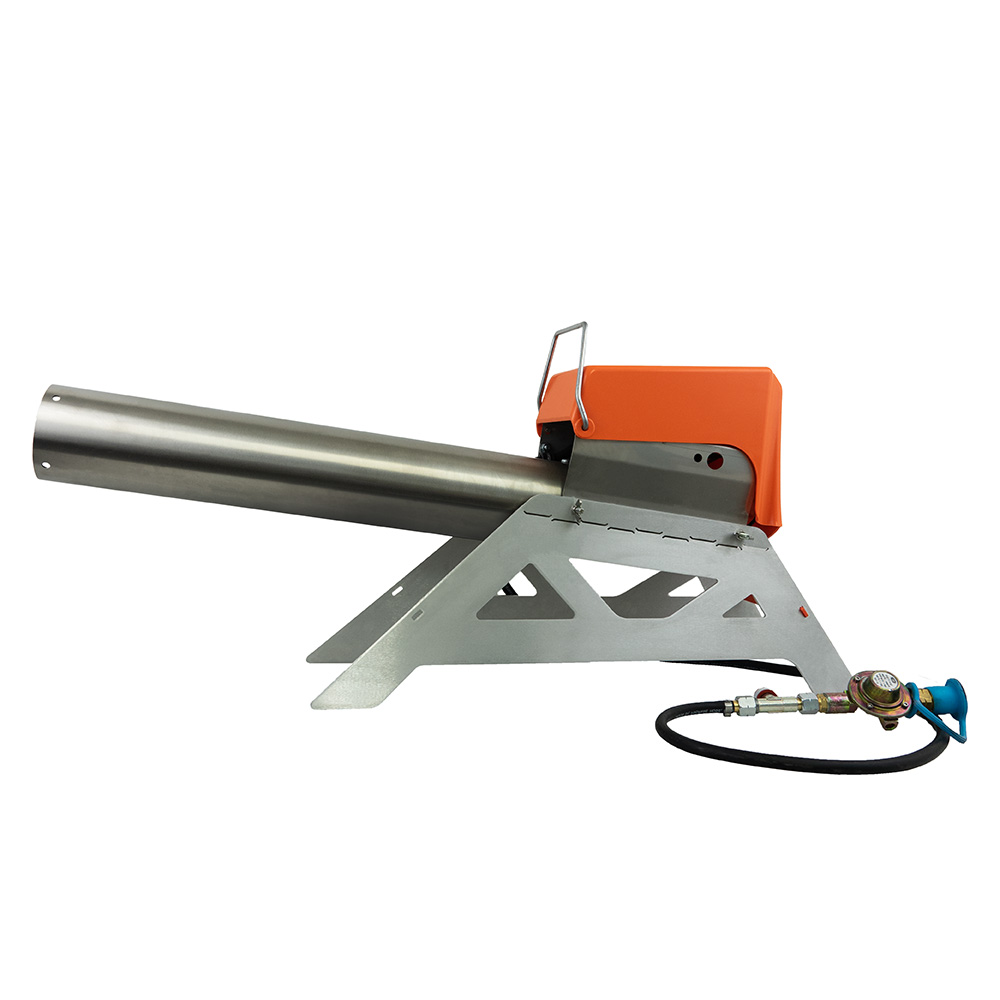
Audio deterrents use loud noises to startle and scare birds. For example, our Margo Electra Propane Cannons emit 120 decibels (dB), similar to a shotgun blast. All bird species respond to this sound. Move the cannons regularly to prevent birds from getting used to them.
You can also pair propane cannons with our Squawk Box speaker systems, which mimic the cries of distressed or injured birds. This teaches birds to associate your area with danger. Sound combinations are available for most North American bird species.
Visual
Visual Deterrents
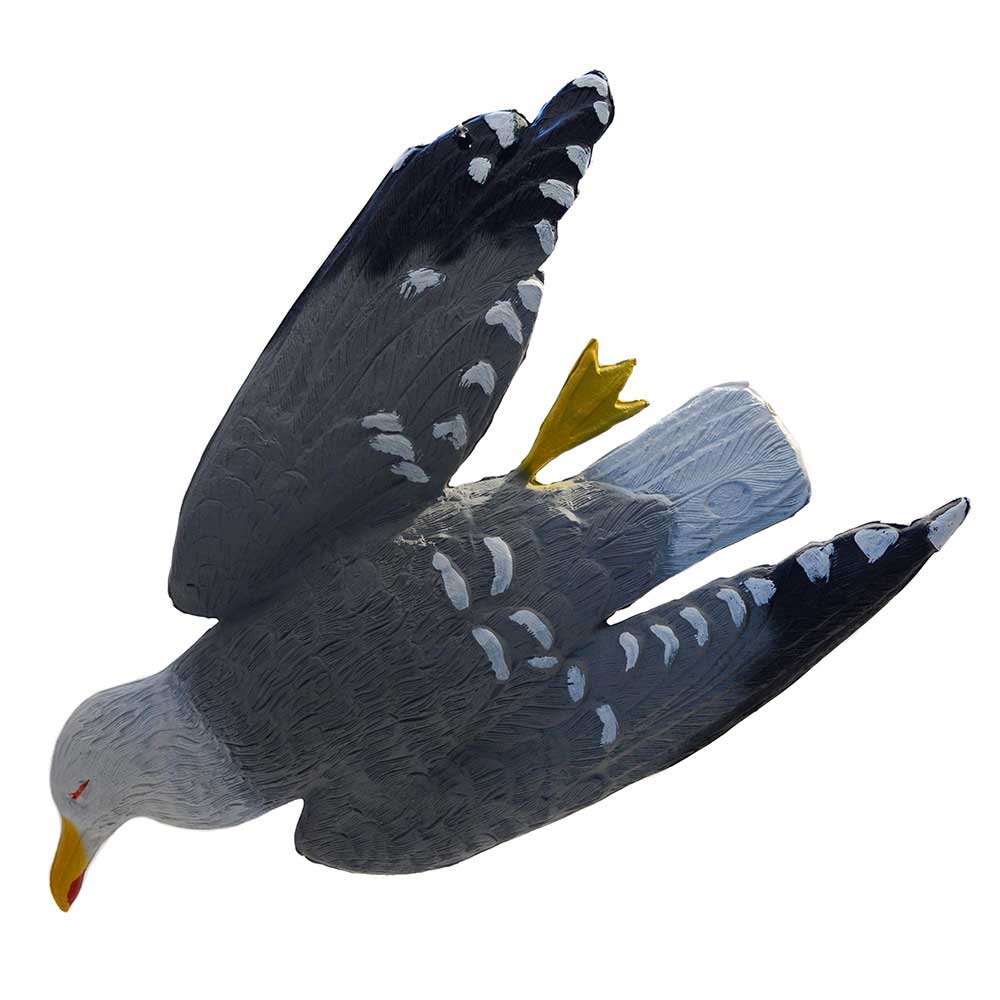
Birds rely heavily on eyesight to fly, find food, and detect predators. Visual deterrents exploit this by using reflective materials, lights, flashing, or predator simulations. For instance, predator effigies or decoys trick intelligent prey species into thinking hunters are nearby. As a result, birds avoid the area, convinced it is unsafe.
Active
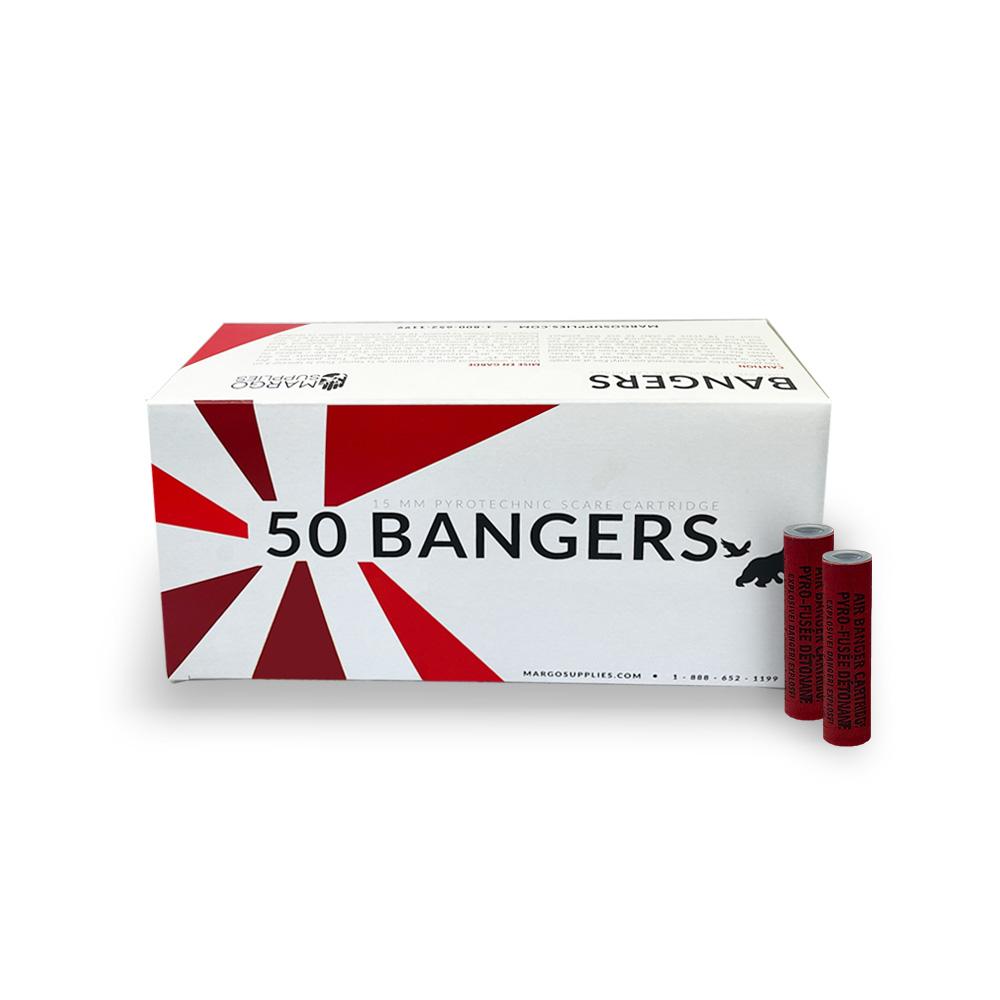
Active deterrents respond to birds directly and often combine audio and visual effects. For example, our 15mm pyrotechnic scare cartridges create loud noises and visual effects, flying 30m–380m (90–1250+ ft) through the air. By combining different cartridges, you create more chaos and prevent habituation.
We also offer the strongest hand-held bird control lasers allowed in Canada. Geese, in particular, react immediately to the unusual light patterns. By using deterrents only when needed, you make it harder for birds to adapt.
Like all tools, different tools to repel birds have their strengths and weaknesses. Don’t leave any safe havens in your control area; active and immediate use of deterrents prevent birds from being rewarded. The best bird control programs combine audio, visual, and active deterrents.